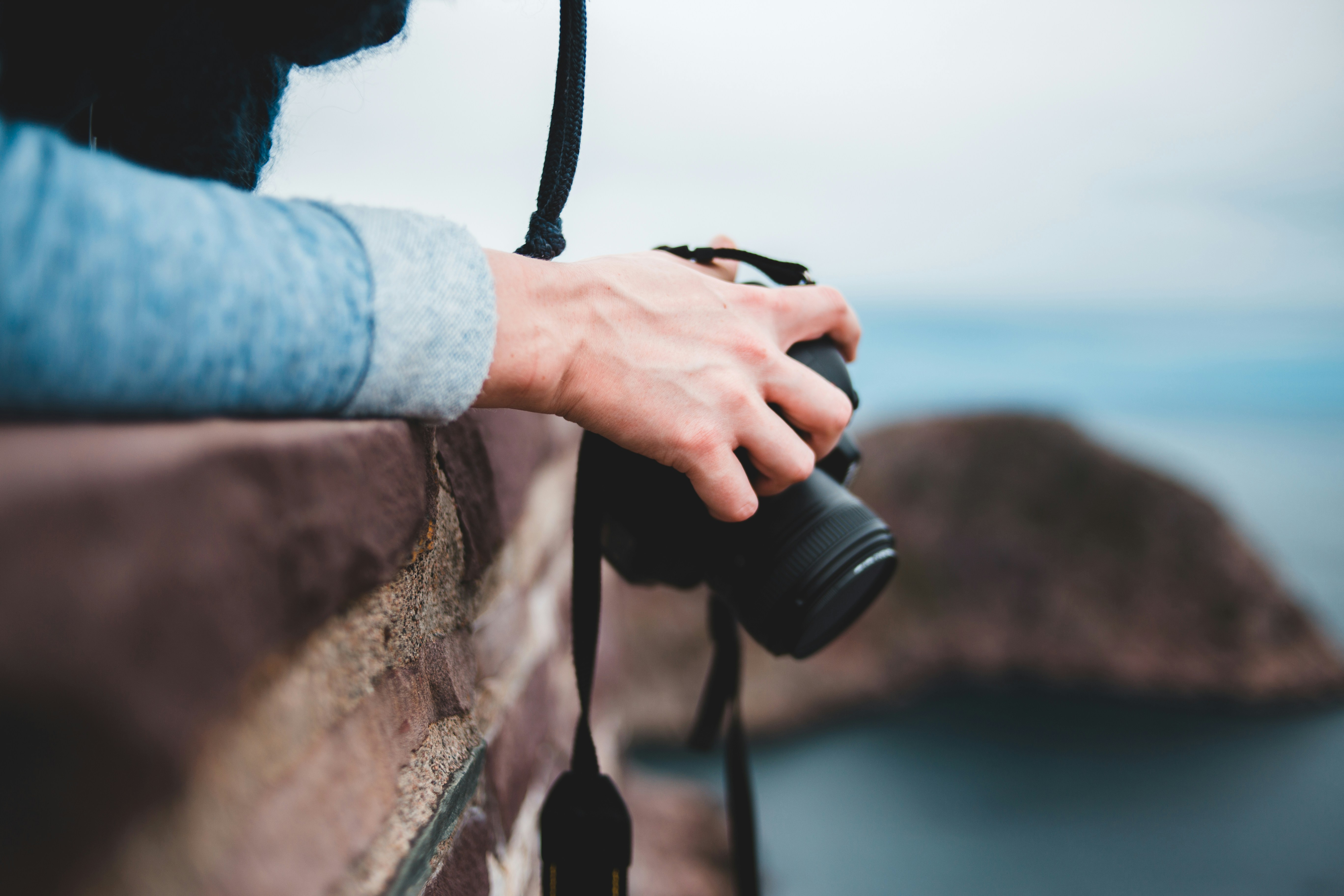
Introduction to ExplorerAIWorld’s AI Photos Gallery
In the digital era, where creativity meets technology, ExplorerAIWorld proudly introduces its groundbreaking AI Photos Gallery. This innovative gallery serves as a captivating platform that showcases a rich collection of images generated through sophisticated artificial intelligence algorithms. The purpose of the gallery transcends mere display; it embodies the convergence of art and technology, demonstrating how AI can replicate, enhance, and even transcend human artistic expression.
The AI Photos Gallery is not just a static repository; it is an interactive experience designed to engage visitors in the fascinating world of AI-generated art. By utilizing advanced machine learning techniques, the gallery creates stunning images that reflect unique styles, themes, and concepts reflective of human creativity. AI technologies analyze vast datasets of existing artworks, extracting patterns and techniques that inform its own artistic creations, resulting in breathtaking visual outputs.
This gallery plays a significant role in bridging the gap between traditional art forms and the emerging genre of AI art. By presenting these creations in a dedicated space, ExplorerAIWorld not only showcases the capabilities of AI technologies but also challenges perceptions about the role of AI in the creative industries. The AI Photos Gallery emphasizes that AI is not merely a tool, but a collaborator in the artistic process, capable of producing visually compelling and thought-provoking artwork that invites discourse and exploration.
Through this gallery, ExplorerAIWorld aims to inspire both art enthusiasts and technologists alike, highlighting the innovative potential of AI while fostering a deeper appreciation for the future of artistic expression. Visitors are encouraged to engage with the artworks, considering how AI can serve as a medium that enhances human creativity and opens new horizons in the art world.
Diverse Types of AI-Generated Images
AI-generated images have revolutionized the art world, offering a diverse array of creations that cater to various aesthetic preferences and interests. This section explores several types of images produced through artificial intelligence, demonstrating their uniqueness and appeal to different audiences.
One of the most captivating categories is abstract art. These images often feature vibrant colors, intricate patterns, and a lack of identifiable objects, allowing viewers to interpret the artwork in a subjective manner. Abstract AI art can evoke emotions and provoke thought, making it particularly attractive to those who appreciate the interpretive possibilities that art presents.
Landscapes are another prominent type of AI-generated image. These can range from photorealistic representations of serene natural scenes to imaginative environments that defy the laws of physics. AI-generated landscapes enable artists to capture unique perspectives of nature and transport viewers to places that may never have existed. Such images resonate with audiences who find solace and inspiration in the beauty of the natural world.
Portraits generated by AI invite a different kind of engagement. These creations can depict realistic faces or stylized representations, showcasing the technology’s ability to merge human-like features with artistic flair. AI portraits appeal to a wide range of viewers—from art enthusiasts interested in innovation to individuals seeking unique representations of identity.
Finally, futuristic designs reflect AI’s imaginative capabilities, depicting concepts of technology, architecture, and environments that challenge our current understanding. These images inspire dreamers and visionaries who are intrigued by the possibilities of tomorrow. By offering a glimpse into alternate realities, AI-generated futuristic designs contribute to an ever-evolving dialogue about the role of technology in art.
Each category of AI-generated imagery showcases the innovative essence of artificial intelligence, making the gallery an enriching experience for different audiences, while affirming the limitless potential of this art form.
Categorizing AI Images: Themes and Styles
In the development of an AI photo gallery for ExplorerAIWorld, establishing clear categories or themes is crucial for enhancing navigation and user experience. By segmenting the collection into defined genres, users are better equipped to explore the diverse range of AI-generated images. This systematic approach not only simplifies access to specific styles, such as nature, fantasy, sci-fi, and urban scenes, but also encourages deeper engagement.
Each category serves as a portal into a unique realm of artistic expression. For instance, the nature theme may include lush landscapes, serene environments, and intricate details of flora and fauna. This categorization allows users, whether casual browsers or dedicated enthusiasts, to quickly locate images that resonate with their interests. Similarly, fantasy images can evoke imaginative worlds filled with mythical creatures and enchanting scenes, while sci-fi images can portray futuristic concepts and technological marvels. Urban scenes, on the other hand, can capture the vibrant dynamics of modern city life, showcasing diverse architectural styles and street photography.
The categorization of AI images significantly enhances the user experience by facilitating discovery. This design structure promotes exploration, as users are encouraged to dive into themes they may not have initially considered. Furthermore, it helps in curating personalized experiences; users can return to specific categories that align with their aesthetic preferences. In an environment that is increasingly visual, the ability to categorize images enables ExplorerAIWorld to showcase its collection more effectively and ensures that users can enjoy a seamless browsing experience. Every category not only reflects a style but also tells a story, enriching the way users engage with AI artistry.
User Interaction: Viewing and Engaging with Images
The AI Photos Gallery for ExplorerAIWorld is designed to offer users a seamless and engaging experience when viewing images. The interface is intuitive, allowing for straightforward navigation through the gallery. Users can easily scroll through a variety of images, each showcasing unique AI-generated art pieces, and they are encouraged to explore the full spectrum of creativity that AI can produce.
One of the standout features of the gallery is the zoom functionality. Users are able to click on an image to enlarge it, providing a closer view of intricate details that might be missed in a smaller preview. This zoom feature enhances the interactive nature of the gallery, allowing visitors to appreciate the artwork more thoroughly. Additionally, the gallery supports a slideshow mode, where users can select images to be displayed in a continuous loop, giving them the option to sit back and enjoy the artistic compositions without manual navigation.
Further enriching the user experience is the ability to interact with images through various engagement features. Users have the option to like their favorite pieces, offering a simple yet effective way to express appreciation for the artwork. This feature not only enhances user interaction but also allows for the collection of data on popular images, providing insights into viewer preferences. Moreover, sharing options are integrated into the gallery, enabling users to easily share their favorite images across social media platforms or via direct links. This sharing capability fosters a sense of community, inviting others to experience the AI Photos Gallery and participate in the exploration of AI-generated art.
Collaborative Features: Sharing and Community Engagement
Building an engaging community around AI-generated art is pivotal for fostering creativity and exploration in platforms like ExplorerAIWorld. To achieve this, implementing collaborative features that encourage user interaction and sharing is essential. One effective method is to allow users to share their favorite AI images directly on social media platforms. This not only promotes individual expression but also enhances visibility for the gallery, attracting a broader audience interested in AI art.
Additionally, incorporating a commenting system can enable users to discuss their impressions of various artworks. This interactive feature allows the community to provide feedback, express appreciation, or even critique the images. By facilitating discussions, users feel more connected to the artworks and to each other, contributing to a vibrant ecosystem of shared knowledge and experiences surrounding AI art.
Another innovative feature could be the introduction of a community-driven rating system, where users can upvote their favorite AI images. These ratings could help to create a dynamic environment where popular works gain exposure, thus motivating artists to continue producing engaging content. Furthermore, spotlighting user-contributed content or hosting regular themes and challenges could inspire participation and creativity, enriching the overall experience. Incorporating these community engagement features not only enhances the interactive experience but also nurtures a sense of belonging among users, encouraging them to immerse themselves more deeply in the captivating world of AI art. By prioritizing user contributions and interactions, ExplorerAIWorld can evolve into a thriving community dedicated to exploring the potential of artificial intelligence in creative expression.
How Images are Generated: Behind the Scenes of AI Art
The generation of images through artificial intelligence (AI) involves a complex interplay of technology and creativity, primarily driven by machine learning models. At the heart of this process are algorithms that enable computers to learn from vast amounts of data, allowing them to create unique visual experiences. These machine learning models are trained on extensive datasets containing millions of images, which can include everything from landscapes to abstract art. By analyzing these datasets, the models develop an understanding of various artistic styles, patterns, and color palettes.
A key aspect of image generation in AI is the use of Generative Adversarial Networks (GANs). This architecture includes two neural networks—the generator and the discriminator. The generator creates images from random noise, while the discriminator evaluates them against real images. Through iterative feedback, the generator improves its outputs until they become indistinguishable from actual artwork. This dynamic process ensures that AI-generated images maintain a high level of quality and creativity.
Another critical component is the artistic algorithms employed. These algorithms not only dictate how images are constructed but also allow for the incorporation of various artistic styles and influences. For instance, styles can be extracted from famous artworks and blended into new creations. This fusion of established artistic elements with innovative technology manifests in the eclectic range of images produced by AI.
The balance between creativity and technology is essential in this realm. While the algorithms drive the creation of images, it is the human input that shapes the direction of innovation, ensuring that the final products resonate emotionally with viewers. Thus, as technology continues to evolve, the process of generating images through AI is not merely about computation but also about the artistic vision behind each piece.
The Importance of Ethical AI Use in Art
The rise of artificial intelligence in creative domains has revolutionized the production of art, yet it brings forth significant ethical considerations that must be addressed. One primary concern relates to copyright issues surrounding AI-generated images. When an AI generates art, questions arise regarding the ownership of the created work. It is crucial to differentiate between the datasets used to train AI systems and the actual outputs they produce, ensuring that the original creators’ rights are upheld.
Moreover, the originality of AI-generated works also presents an ethical dilemma. AI can learn from vast amounts of existing artwork and styles, potentially leading to outputs that imitate established artists. This raises questions about the value of creativity and the definition of originality in art. Society must critically evaluate what it means for AI to produce art that may or may not reflect genuine human experience and emotion.
Another noteworthy aspect is the representation of diverse cultures in AI art generation. AI systems require diverse training datasets to fairly represent various cultures and styles. When these datasets lack representation or are biased, it consequently produces art that may misinterpret or stereotype cultural elements, thus perpetuating existing biases. It is imperative that organizations, including ExplorerAIWorld, commit to curating inclusive datasets that showcase a wide range of cultural expressions.
ExplorerAIWorld dedicates itself to upholding ethical practices in the utilization of AI in art. By taking deliberate steps to ensure copyright compliance, fostering originality through critical review processes, and prioritizing diversity in its datasets, ExplorerAIWorld positions itself as a responsible participant in the evolving landscape of AI-generated art. Adhering to these standards is essential for fostering trust and respect in the growing intersection of technology and artistry.
Future Expansions: What’s Next for the AI Photos Gallery
The AI Photos Gallery has gained notable traction as an innovative platform for showcasing artificial intelligence-generated art. Looking ahead, there are several exciting possibilities for future expansions that could take the gallery to the next level. One potential development is the incorporation of new features that enhance user interactivity and engagement. For instance, implementing augmented reality (AR) functionalities could allow visitors to visualize AI-generated images in their own spaces, making the art more accessible and relatable.
Moreover, expanding the categories within the gallery could further enrich the user experience. Currently focused on specific themes, the gallery might benefit from a broader classification system that includes genres such as surrealism, abstract art, or even niche categories like AI-generated landscapes or portraits. This diversification would attract a wider audience and encourage exploration through varied artistic expressions.
Another intriguing avenue for growth lies in embracing user-generated content (UGC). By allowing users to submit their own AI art or ideas for new pieces, the gallery could cultivate a community-driven environment. This approach could stimulate creativity and foster connections among users, elevating the platform from a simple gallery to a collaborative creative space. In this context, integrating emerging technologies such as blockchain could ensure authenticity and ownership of user-submitted artwork, providing a secure framework for contributions.
Furthermore, advancements in AI technology present unparalleled opportunities for artistic expression. As algorithms evolve, new tools could enable artists to explore innovative styles and methodologies. By staying at the forefront of these developments, the AI Photos Gallery can continue to captivate its audience and remain relevant within the rapidly changing landscape of digital art.
Conclusion: Embrace the Future of Art with AI
As we reflect on the transformative journey of integrating artificial intelligence into the artistic domain, it becomes evident that AI has begun to reshape how we perceive and interact with art. The development of platforms like the AI Photos Gallery for ExplorerAIWorld highlights the vast potential of AI-generated artwork, offering an interactive experience that transcends traditional artistic boundaries.
Throughout this exploration, we have discussed the significant advantages of incorporating AI in the creative process. From enhancing artistic expression to democratizing access to art, the innovations driven by AI provide artists and enthusiasts alike with unprecedented opportunities. The AI Photos Gallery serves as a compelling showcase of these advancements, where visitors can engage with a plethora of artworks generated through cutting-edge algorithms. This accessibility not only stimulates imagination but also fosters an appreciation for the unique capabilities of AI as a collaborative partner in artistic endeavors.
Moreover, the intersection of technology and creativity is unveiling new avenues for artistic exploration. Artists are increasingly harnessing AI tools to realize their visions, expanding their creative toolkit. This synergy between human ingenuity and machine learning is paving the way for a new era of art that challenges conventional notions and encourages experimentation. It invites us all to rethink our understanding of creativity and originality in the context of an evolving technological landscape.
We encourage readers to visit the AI Photos Gallery and experience firsthand the innovative possibilities that AI art has to offer. Engaging with this gallery not only allows individuals to appreciate unique artistic expressions but also to participate in the ongoing dialogue about the future of art in an age dominated by technology. Embrace this opportunity to immerse yourself in the captivating world of AI-generated art and explore the limitless potential that lies ahead.